Find a Dealer


 Home
Home About Us
 Products
 Accessories
 Spare Parts
 Support
 Contact Us




Chipping Wet vs. Dry Branches: Tips to Avoid Chipper Jams
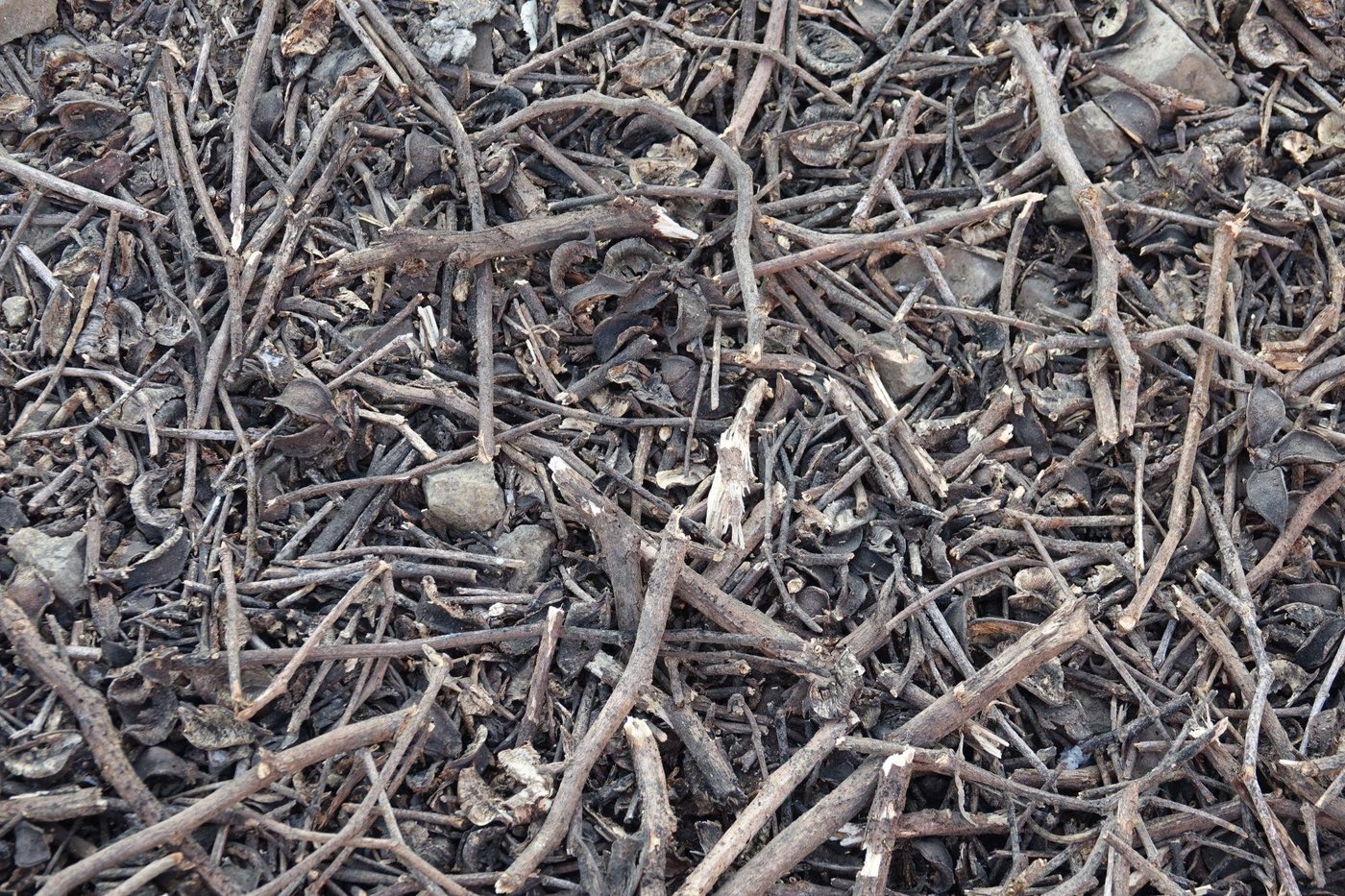
A wood chipper is one of the most valuable pieces of equipment for landscapers, arborists, property owners, or anyone dealing with tree and garden waste. Whether you’re clearing storm debris, maintaining acreage, or processing pruning waste, a quality chipper can significantly reduce the time and effort required to manage branches and vegetation.
However, one issue almost every chipper operator encounters at some point is machine jamming. Blockages increase wear on components and bring the whole operation to a halt.
One of the biggest factors influencing chipper performance is the moisture content of the material being processed. Wet branches and dry branches behave very differently inside a machine, and understanding these differences can help you reduce downtime and improve efficiency.
In this guide, we’ll compare wet and dry branches, explain why jams occur, and provide practical tips to keep your chipper operating smoothly.
Why Moisture Content Matters
When feeding material into a chipper, many operators focus primarily on branch diameter. While size certainly matters, moisture content can be equally important.
Freshly cut branches contain a significant amount of water within their fibres. Depending on the species and time of year, moisture levels can vary considerably. Recently pruned green branches often behave differently from dead timber that has been drying for months.
The moisture content affects:
- Cutting efficiency
- Feed performance
- Chip quality
- Blade wear
- Risk of blockages
Understanding how your machine handles different materials will ensure you get the best Wood
Chipper/Chipper Shredder for your needs.
Chipping Wet Branches
Freshly cut green branches are often easier to feed into a chipper because they retain flexibility and weight. The additional moisture can help the material move smoothly through the feed system, particularly in machines equipped with hydraulic feed rollers.
Many operators find that green waste produces a more consistent feed rate because the branches remain pliable rather than snapping or splintering.
Wet material on the other hand presents its own challenges.
The fibrous nature of freshly cut vegetation can create long, stringy chips that are more likely to accumulate inside discharge chutes. Leaves and soft foliage may also clump together, reducing airflow and increasing the likelihood of blockages.
Certain tree species with particularly high moisture content can create dense, sticky mulch that builds up within the machine if not processed correctly.
Advantages of Chipping Wet Material
Fresh green waste offers several operational benefits. Because the material remains flexible, feed rollers often grip it more effectively. The branches are less likely to shatter during processing, resulting in a more uniform chip size.
Green branches also tend to produce less airborne dust than dry timber, creating a cleaner working environment.
For many professional operators using a commercial chipper, processing fresh material immediately after pruning can be more efficient than allowing it to dry out first.
Challenges of Wet Material
Despite these advantages, wet material requires careful handling. The high moisture content can contribute to material build-up around blades and discharge areas. Leaves, vines, and soft foliage are particularly prone to forming dense masses that restrict material flow.
Operators may also notice that wet chips are heavier and more compact, which can affect storage, transport, and composting processes.
To minimise problems, it’s important to avoid feeding excessive amounts of foliage into the machine at once and to maintain sharp cutting components.
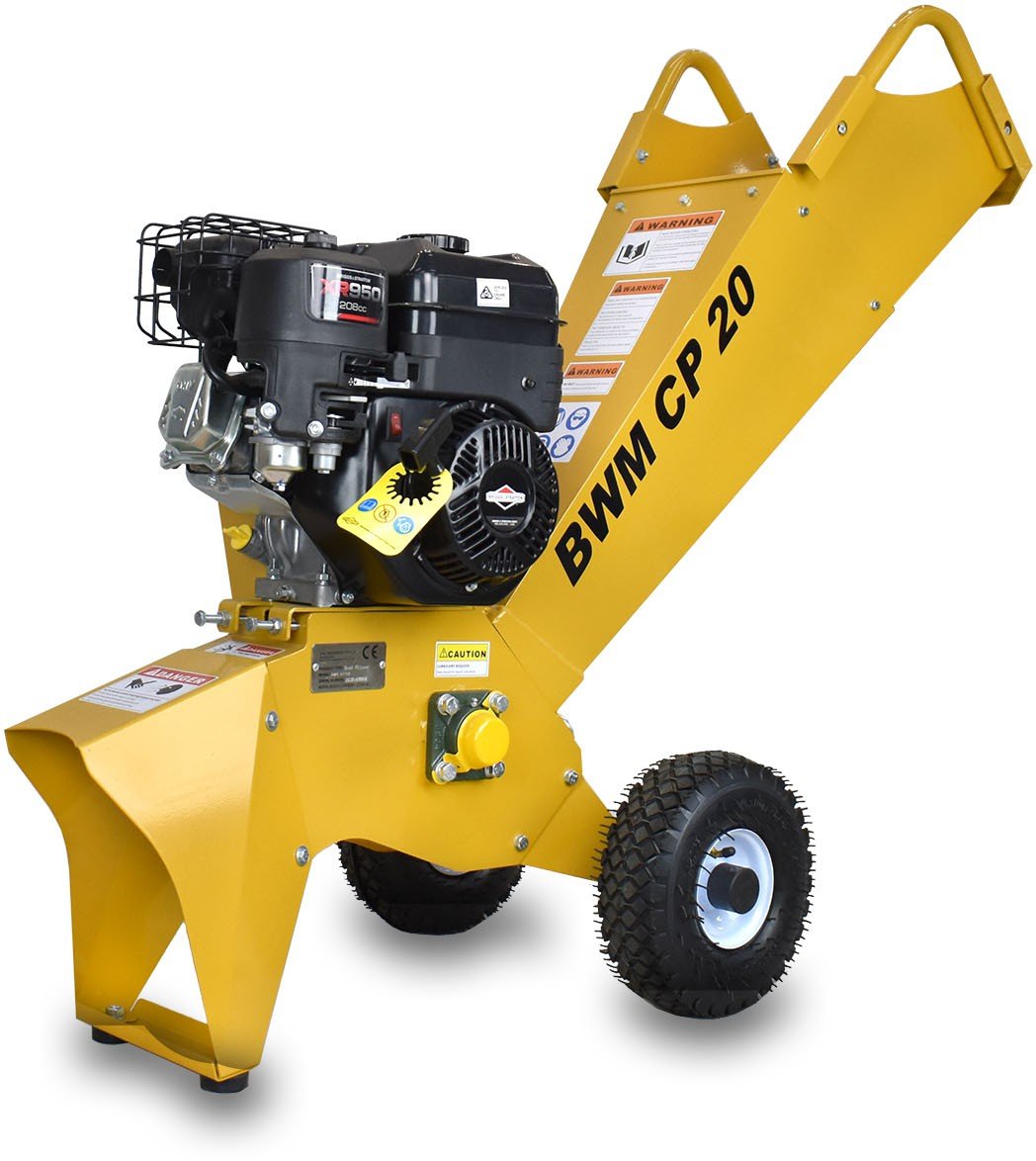
BWM CP20 Chipper Shredder with Briggs and Stratton 6.5HP Engine (Self Feeding)
The BWM CP20 chipper shredder is a compact and powerful chipper and is ideal for domestic use. It can chip branches up to 50mm in diameter and complete your garden work in minutes. You can easily move it through very narrow spaces and store it in a corner of your garage.
Features:
- Ideal for home or small acreage
- Powered by Briggs & Stratton 6.5HP OHV engine
- Designed for chipping branches and also palm fronds
- Equipped with alloy steel chipping knives
- Chips branches up to 50mm (2”)
- Lightweight design for easy transport
- Price includes a collection bag
- 2 Years Chipper Warranty
- 3 Years Engine Warranty
Chipping Dry Branches
Dry branches behave very differently inside a chipper. As timber loses moisture, it becomes harder and more brittle.
Dry wood often fractures more readily, producing cleaner chips and reducing the likelihood of sticky build-up within the machine.
Many operators prefer the lighter weight and reduced moisture content of dry material, particularly when producing mulch for landscaping applications. However, dry branches introduce their own set of challenges.
Advantages of Chipping Dry Material
One of the main benefits of dry timber is cleaner chip production. As there is less moisture present, the resulting chips are often lighter and easier to handle. Dry material generally produces less internal build-up, reducing the risk of clogging in some parts of the machine.
For users seeking high-quality mulch output, dry timber can often deliver more consistent results.
Many customers looking for a chipper in Sydney specifically ask about performance with dry material because it is commonly encountered during seasonal garden maintenance and storm clean-up work.
Challenges of Dry Branches
While dry branches may reduce some forms of clogging, they can create other operational issues.
Brittle material may break into irregular pieces before reaching the cutting mechanism. These fragments can sometimes feed inconsistently, particularly in smaller machines.
Dry timber also generates more dust and fine particles. Excessive dust can reduce visibility, increase cleanup requirements, and contribute to wear on certain components.
Hard, dry wood can place additional stress on blades, increasing the importance of regular maintenance and sharpening.
Why Jams Happen
Regardless of whether you’re processing wet or dry material, most jams occur for similar reasons. In many cases, the issue isn’t the machine itself but the way material is being fed into it.
Common causes of jams include:
- Feeding material too quickly
- Overloading the machine beyond its rated capacity
- Processing excessive foliage in a single feed
- Using dull blades
- Allowing discharge chutes to become obstructed
- Failing to maintain proper engine speed
Even the best chipper shredder can experience blockages if it is incorrectly used or maintained poorly.
Tip 1: Keep Blades Sharp
Sharp blades are one of the most important factors in preventing jams. Dull cutting edges tear and crush material rather than slicing cleanly through it. This creates additional strain on the machine and increases the likelihood of material becoming lodged inside the cutting chamber.
Regular blade inspection and sharpening help maintain efficient operation while reducing stress on the engine and feed system.
For anyone operating a chipper regularly, blade maintenance should form part of every routine service schedule.
Tip 2: Feed Material Consistently
One common mistake is attempting to process large bundles of branches simultaneously.
While it may seem faster, overloading the feed chute often leads to inconsistent feeding and increased blockage risk.
Instead, feed material at a steady, controlled rate. Allow the machine sufficient time to process each branch before introducing additional material.
Consistent feeding helps maintain optimal cutting performance and reduces sudden loads on the drive system.
Tip 3: Alternate Branch Sizes
Mixing different branch sizes can improve overall feeding performance. When processing a large volume of material, alternating between thicker branches and smaller limbs can help clear accumulated debris from the cutting chamber.
This technique is particularly useful when working with wet material that may otherwise begin to build up around internal components.
Tip 4: Remove Excessive Foliage
Leaves, vines, and soft green vegetation are among the most common causes of blockages. Where practical, remove excessive foliage before feeding material into the machine.
This is especially important when processing fresh green waste immediately after pruning.
Reducing foliage content improves airflow and helps prevent compacted masses from forming within the discharge system.
Tip 5: Monitor the Discharge Chute
Many chipper jams originate not at the feed opening but at the discharge chute.
As chips accumulate, airflow becomes restricted. Eventually, material can back up into the cutting chamber and cause a blockage.
Regularly checking the discharge area during operation helps identify developing problems before they become serious.
This is particularly important when processing wet branches that produce heavier chip material.
Tip 6: Match Material to Machine Capacity
Every chipper has a maximum branch diameter rating. Attempting to process material beyond this capacity significantly increases the risk of jamming and mechanical damage.
When considering a wood chipper for sale in Tasmania, choosing a machine that matches the typical size and volume of material you process is important.
Choosing the correct machine from the outset helps ensure smoother operation and improved productivity.
Electric vs Petrol Chippers
Many property owners now consider whether an electric chipper shredder is suitable for their needs. Electric models offer several advantages, including quieter operation, lower maintenance requirements, and reduced emissions.
For light residential applications, electric machines can perform very effectively when processing small branches and garden waste.
Larger commercial operations often require the additional power and capacity offered by petrol-powered machines.
Understanding your workload and material type will help determine which option is best suited to your property.
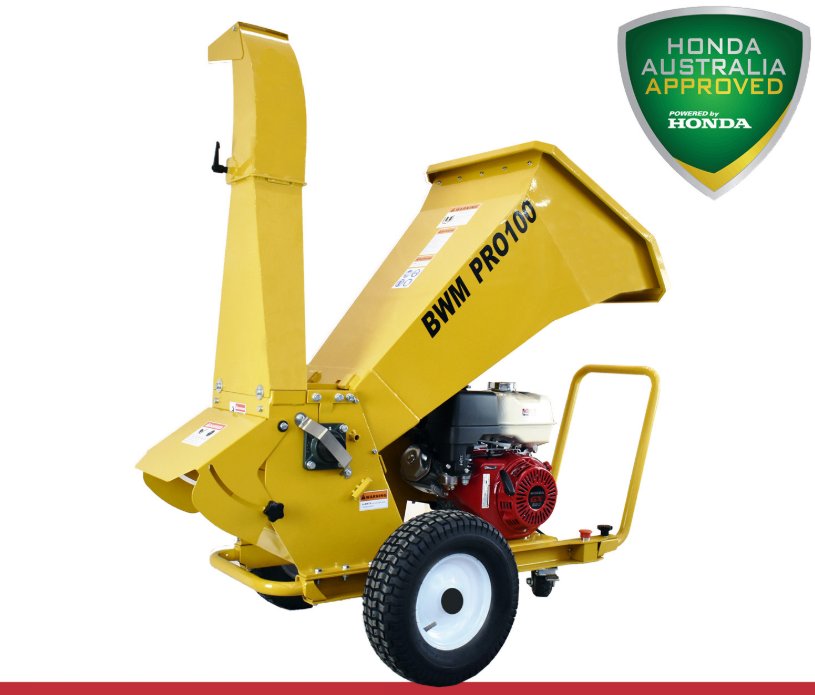
BWM PRO100H Combi Chipper – Wet & Dry
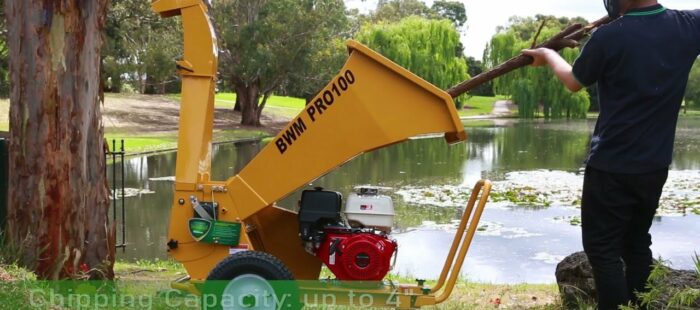
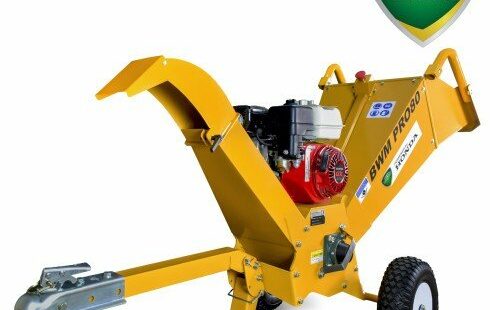
Built to last, the BWM PRO100H combi wood chipper is made for both domestic and commercial users. With its powerful Honda GX390 over-head valve engine. It can chip branches up to 102mm maximum in diameter and complete your garden work in minutes.
The BWM PRO100H combi wood chipper has two output options (high and low).
“The high output” option is used for chipping branches, palm trees and other dry materials.
“The low output” function of the chipper allows materials with high content of moisture, such as vines, coconuts and sugarcane to be processed effortlessly.
The self-feeding function paired with the 13HP Honda engine will allow you to get through the largest of jobs in the shortest amount of time, giving you the perfect balance between power and convenience.
Features:
Ideal for acreage or commercial use
Powered by Honda GX390 OHV engine (Honda Australia Approved)
2 in 1 function to allow chipping both dry and wet materials
Equipped with alloy steel chipping knives
Chips branches up to 102mm (4”)
Solid handle bar for easy transportation
2 years domestic chipper warranty
3 years engine warranty
Seasonal Considerations
The time of year can also influence chipping performance.
Spring and summer pruning often generates large volumes of green, moisture-rich material. Autumn may produce a mixture of leaves and partially dried branches. Winter clean-ups frequently involve harder, drier timber.
Adapting your feeding techniques to suit seasonal conditions can significantly reduce jamming issues throughout the year.
Experienced operators often adjust feeding speed, maintenance schedules, and material preparation methods depending on the type of vegetation being processed.
Maintenance Is Key to Reliable Performance
Regular maintenance remains one of the most effective ways to prevent chipper jams. Routine servicing should include:
-
- Blade inspection
- Belt checks
- Bearing lubrication
- Feed roller cleaning
- Discharge chute inspection
- Engine maintenance
A well-maintained machine processes material more efficiently and is far less likely to experience unexpected downtime.
Whether you’re operating a residential electric chipper shredder or a heavy-duty commercial chipper, preventative maintenance always costs less than major repairs.
Choosing the Right Chipper
Reducing jams starts by choosing the right equipment for your needs. The right machine depends on factors such as:
-
- Property size
- Material volume
- Branch diameter
- Frequency of use
- Power requirements
- Mobility needs
If you’re searching for a chipper shredder to use year-round, matching machine specifications to your workload is essential.
Find the Right Chipper Shredder at BWM Products
At BWM Products, we offer reliable chipping and shredding solutions for homeowners, acreage owners and professional users across Australia.
Whether you’re looking for a powerful petrol wood chipper, a compact electric chipper shredder, or browsing our full range of wood chippers for sale, choosing the right machine and following recommended operating practices will help ensure reliable performance and long service life.
Our BWM Products chipper range is backed by warranty, spare parts and experienced after-sales support. BWM Products are available online for delivery Australia-wide and through our growing network of authorised dealers across Australia.
Explore our range today or contact your nearest BWM Products dealer for expert advice on choosing the right chipper for your property, workload and budget.